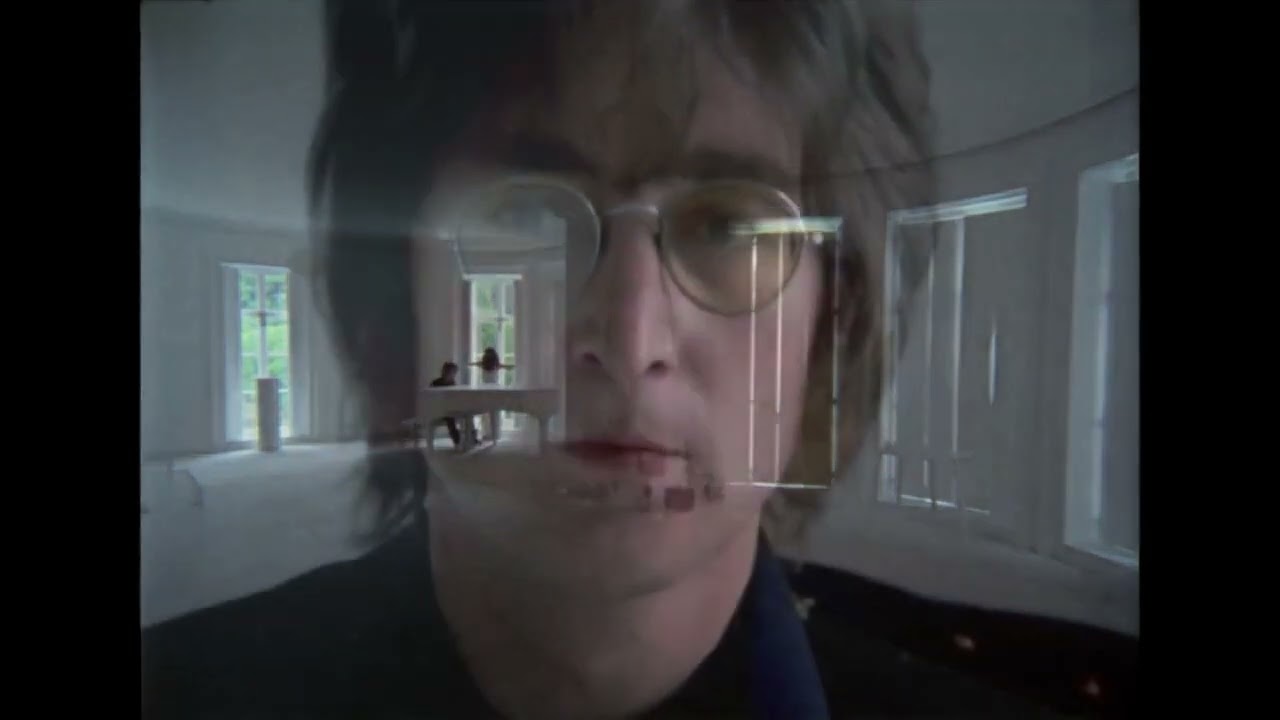
John Lennon - Imagine
John Lennon
John Lennon - Imagine
✨A timeless invitation to envision a world where humanity is united beyond the divisions that fuel conflict.
“Imagine” by John Lennon is one of the most influential songs ever written about peace and human coexistence. Released in 1971 on the album Imagine, the song invites listeners to imagine a world without war, divisions, or barriers that separate people from one another. Rather than proposing a political programme, Lennon offers a vision of humanity united by compassion, cooperation, and mutual respect.
Over the decades, “Imagine” has become a global symbol of peace and solidarity. It has been performed at humanitarian events, memorials, and international ceremonies, and continues to inspire movements advocating for peace, human rights, and social justice.
🎶 What the Song Tells Us
Through a series of thought experiments, Lennon asks listeners to imagine a world free from the divisions that often fuel conflict—whether based on nationality, religion, or material possessions.
The song does not deny the importance of culture, identity, or belief. Rather, it challenges listeners to consider how conflict, greed, and exclusion can arise when these differences are used to divide people rather than bring them together.
At its heart, “Imagine” is a call to recognise our shared humanity. It suggests that peace is not simply the absence of war, but the presence of justice, cooperation, and respect for the dignity of every person.
🌍 Why It Matters for Human Rights
🕊️ Right to Peace
The song is one of the world's best-known calls for peaceful coexistence and the rejection of violence as a means of resolving differences.⚖️ Social Justice & Equality
By imagining a world without extreme inequality or exclusion, Lennon encourages reflection on fairness, solidarity, and equal human dignity.🎭 Cultural Rights, Identity & Freedom of Expression
As one of the most influential songs of the twentieth century, “Imagine” demonstrates how artistic expression can inspire public debate about peace, justice, and the future of humanity.
🌎 A Song About Shared Humanity
“Imagine” reminds us that human rights begin with recognising the equal dignity of every person. Its enduring appeal lies not in offering simple answers but in encouraging people to imagine alternatives to conflict, division, and injustice.
The song has inspired generations to think beyond borders and differences, promoting a vision of a world where peace, equality, and human solidarity take precedence over hatred and violence.
Whether embraced as a peace anthem, a philosophical reflection, or a call for global cooperation, “Imagine” continues to embody the hope that a more just and peaceful world is possible.
The Peace Album - Dr Nita Yawanarajah
A Personal Reflection
Music has always reached places that words alone cannot.
Throughout my career in international peacemaking, I have spent countless hours listening to stories of war, loss, injustice and fear. I have sat with presidents, generals, rebel leaders, diplomats and ordinary people whose lives had been torn apart by conflict. In those moments, I learned that while politics may divide us, our humanity rarely does.
This album was never intended to be a collection of songs about peace. It is a journey through the emotional landscape of peacemaking itself.
Peace does not begin with a signed agreement. It begins with an idea that a better future is possible. It asks us to confront uncomfortable truths, to accept responsibility for our own actions, to acknowledge suffering without turning away, and to find the courage to stand against injustice. Only then can hope return. And ultimately, peace becomes something quieter—not merely the absence of war, but the presence of reconciliation, dignity and grace.
Each of these songs has stayed with me over many years. They have accompanied different chapters of my own life and career. Some have given voice to the hope I have seen in divided societies. Others remind me of the terrible cost when dialogue fails. Together, they tell a story that mirrors the long and often difficult path towards peace.
Many years ago I imagined bringing these remarkable artists together to create a single album, with the proceeds supporting the quiet diplomacy that so often prevents conflict long before the world ever hears about it. That dream never became reality, but the idea never left me.
Perhaps that is fitting.
Peace itself is often unfinished. It is less a destination than a continual choice—made every day by ordinary people, courageous leaders and those who quietly work behind the scenes to keep dialogue alive.
If this collection encourages even one person to think differently, to listen more deeply, or to believe that peace is still possible, then these songs will have achieved something extraordinary.
— Dr Nita Yawanarajah
The album is arranged as a journey—from imagining peace, to accepting responsibility, confronting conflict and injustice, finding the courage to stand, rediscovering hope, and finally arriving at a place of quiet spiritual peace.
Part I – The Dream
These songs invite the listener to imagine a better world. The songs are a gentle, reflective opening.
1. Imagine – John Lennon — A timeless invitation to envision a world where humanity is united beyond the divisions that fuel conflict.
2. Peace Train – Cat Stevens — A hopeful call for people everywhere to join a growing movement toward peace and reconciliation.
3. Blowin' in the Wind – Bob Dylan — A series of timeless questions that challenge humanity to confront injustice, war and indifference.
4. Simple Song of Freedom – Bobby Darin — A joyful reminder that freedom, peace and human dignity are aspirations shared by all people.
Part II – The Choice
The songs shift from ideals to personal and collective responsibility. The tempo begins to rise.
5. Man in the Mirror – Michael Jackson — Peace begins not with governments but with the courage to change ourselves.
6. Where Is the Love? – Black Eyed Peas — A powerful reflection on a world consumed by hatred, asking each of us to reclaim our shared humanity.
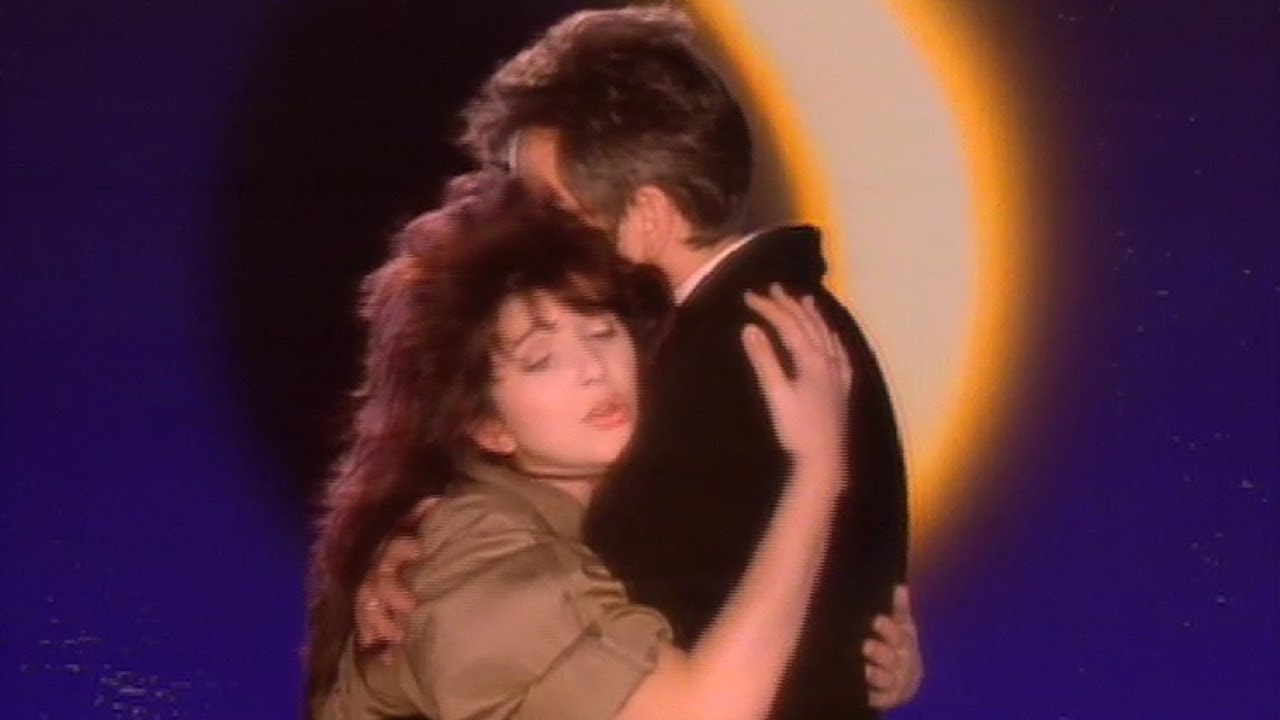
7. Don't Give Up – Peter Gabriel & Kate Bush — A deeply compassionate reminder that hope and resilience can sustain us through even the darkest moments.
Part III – The World We Live In
Here our dream for the world collides with reality: violence, suffering and injustice. This is the emotional heart of the album.
8. Sign O' the Times – Prince — A stark portrait of a troubled world, exposing the social injustices and human suffering that threaten our common future.
9. Zombie – The Cranberries — A haunting lament for the innocent lives destroyed by violence and the tragic cycle of conflict.
Part IV – The Courage to Stand Up to Injustice
These songs honour those who stood against oppression despite the cost. The songs are powerful, uplifting and inspiring.
10. Pride (In the Name of Love) – U2 — A tribute to the moral courage of those who chose love and justice over fear and hatred.
11. Biko – Peter Gabriel — A moving memorial to Steve Biko, reminding us that the human spirit can outlive oppression.
Part V – Hope Returns
These songs tell us there is still hope. One is about what we can do together; the other is about the freedom that begins within.
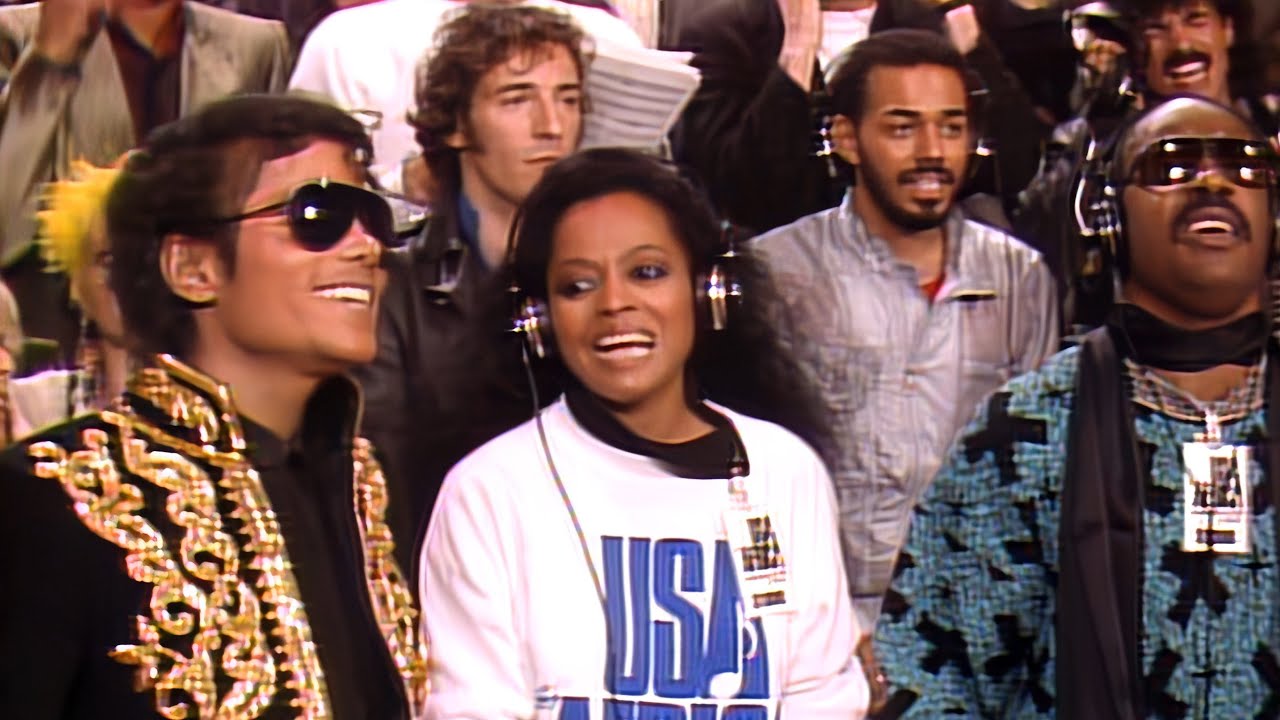
12. We Are the World – USA for Africa — A celebration of our shared responsibility to care for one another and act together in times of need.
13. Redemption Song – Bob Marley — A timeless call to free both mind and spirit, reminding us that lasting peace begins with inner liberation.
The Finale – Peace
A quiet, spiritual ending. Bringing us to our own spiritual belief of peace.
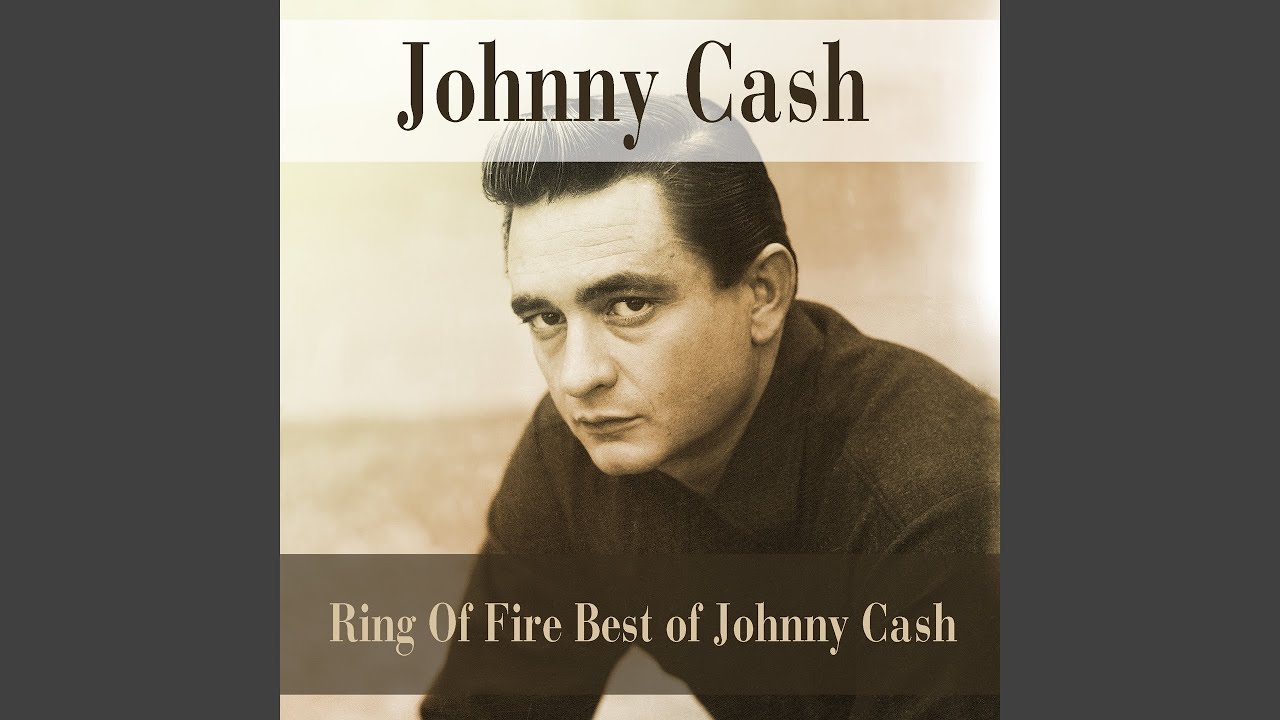
14. (There'll Be) Peace in the Valley – Johnny Cash & The Carter Family — A gentle expression of faith that, beyond struggle and sorrow, enduring peace is ultimately possible.
About Dr Nita Yawanarajah
Nita is a Malaysian national with diplomatic and military experience as well as over 20 years of professional experience in the field of international conflict resolution.
She was the Head of Good Offices at the Commonwealth Secretariat in London from 2009 to 2016 where she carried out preventive diplomatic missions to catalyse the democratic transitions in the Maldives and Swaziland. She served with the United Nations from 1993 to 2009. During her time at the UN, she supported peacekeeping operations in Bosnia and Herzegovina, Ethiopia, Eretria, Kosovo, Sierra Leone and Rwanda. She also participated in UN peacemaking efforts for Darfur and Western Sahara.
She was a founding member of the UN's Mediation Support Unit at UN HQ, New York. In 2007, she received the UN Secretary-General's 21 Award for Knowledge Management for creating the UN's first database, 'UN Peacemaker', for peace agreements and peacemaking.
She obtained her PhD from Kings College London from the Department of International Relations and Department of War Studies, on the subject of mediating durable ceasefires and peace agreements.
Songs in this Playlist
Dr. Nita Yawanarajah
John Lennon - Imagine
John Lennon · Guest: Dr. Nita Yawanarajah
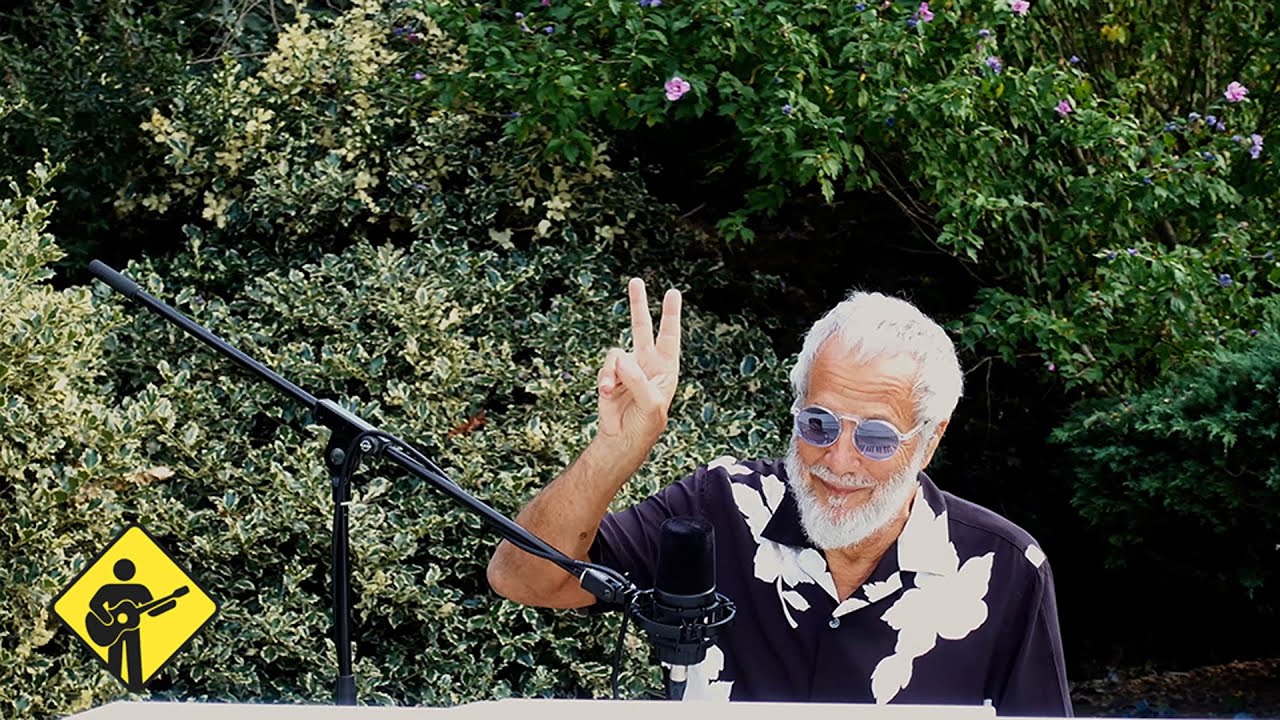
Cat Stevens - Peace Train
Cat Stevens
 Dr. Nita Yawanarajah
Bob Dylan - Blowin' in the Wind
Bob Dylan · Guest: Dr. Nita Yawanarajah
 Dr. Nita Yawanarajah
Bobby Darin - Simple Song of Freedom
Bobby Darin · Guest: Dr. Nita Yawanarajah
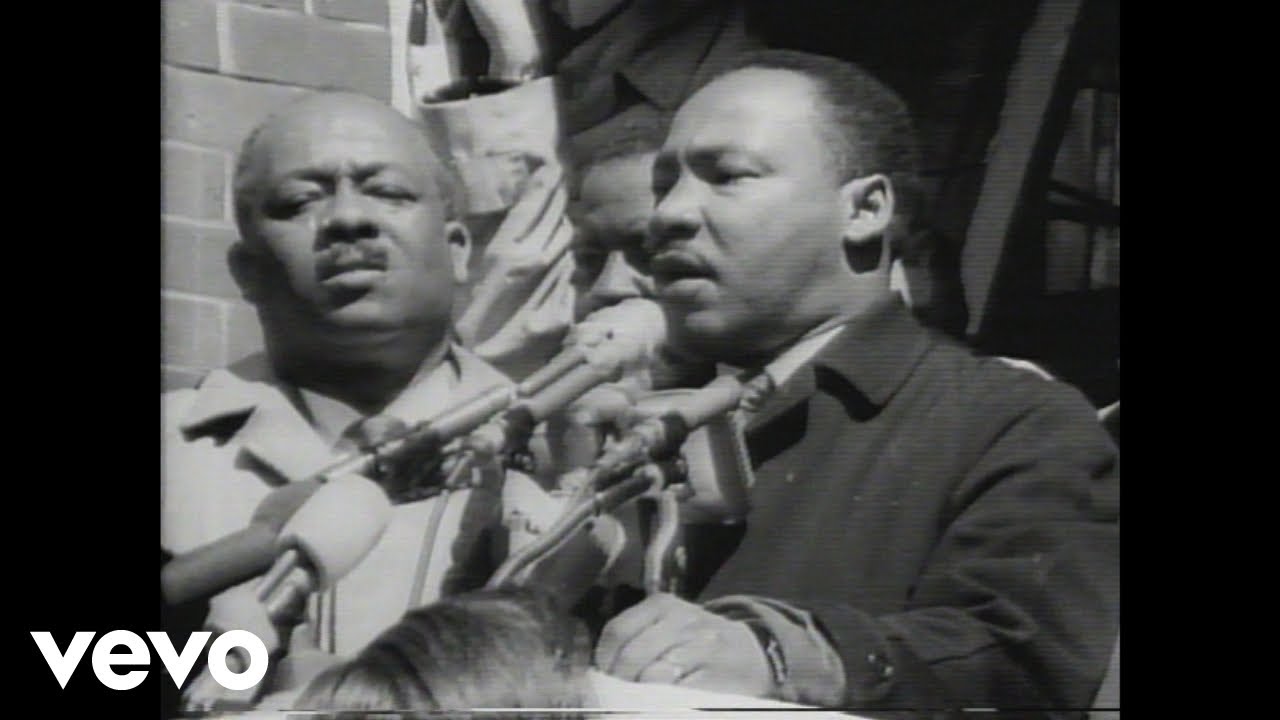 Nita Yawanarajah
Michael Jackson - Man in the Mirror
Michael Jackson · Guest: Nita Yawanarajah
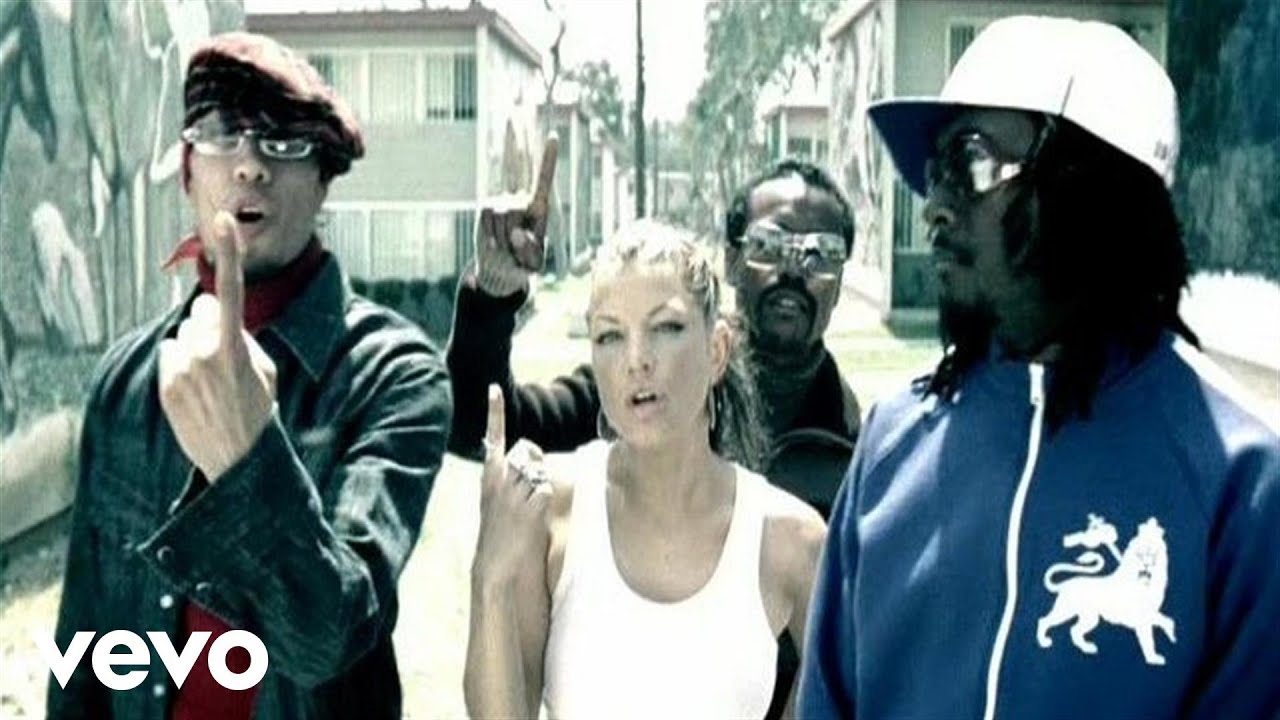 Dr. Nita Yawanarajah
The Black Eyed Pease - Where Is the Love?
The Black Eyed Pease · Guest: Dr. Nita Yawanarajah
 Dr. Nita Yawanarajah
Peter Gabriel ft. Kate Bush - Don't Give Up
Peter Gabriel ft. Kate Bush · Guest: Dr. Nita Yawanarajah
 Dr. Nita Yawanarajah
The Cranberries - Zombie
The Cranberries · Guest: Dr. Nita Yawanarajah
 Dr. Nita Yawanarajah
U2 - Pride (In the Name of Love)
U2 · Guest: Dr. Nita Yawanarajah
 Dr. Nita Yawanarajah
Peter Gabriel - Biko
Peter Gabriel · Guest: Dr. Nita Yawanarajah
 Dr. Nita Yawanarajah
USA for Africa - We Are the World
USA for Africa · Guest: Dr. Nita Yawanarajah
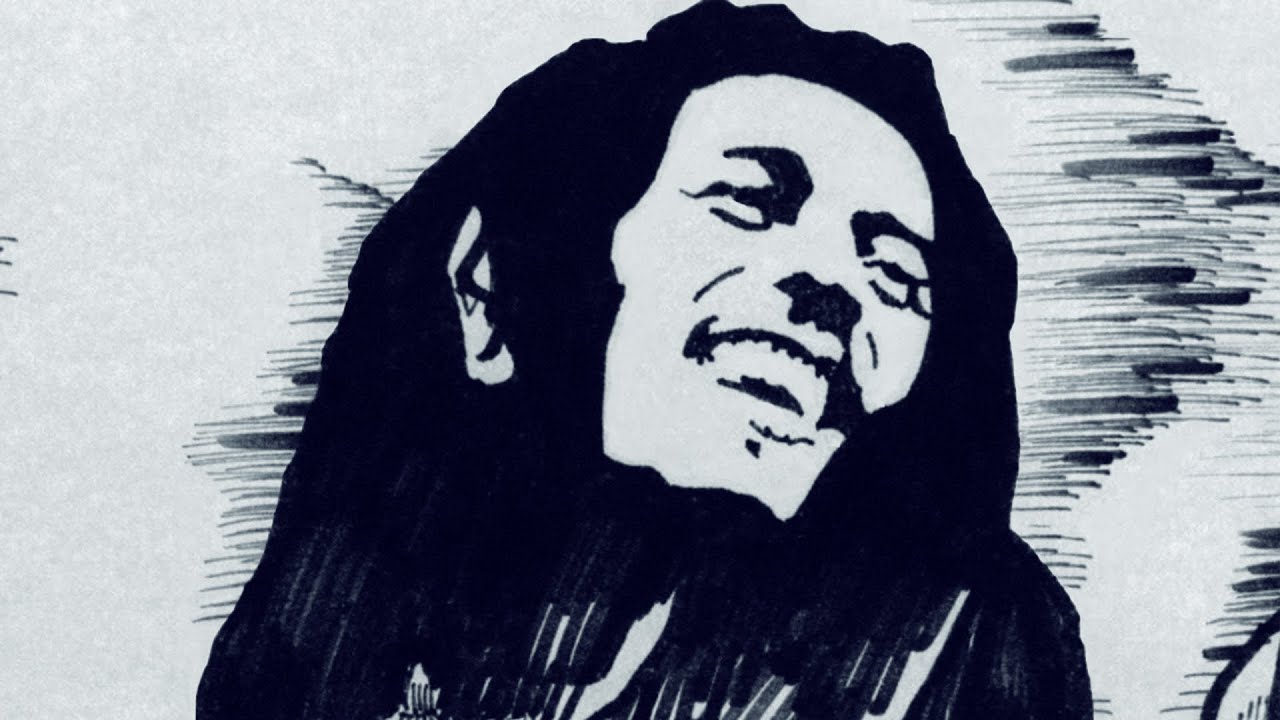
Bob Marley & The Wailers - Redemption Song
Bob Marley & The Wailers
 Dr. Nita Yawanarajah
Johnny Cash & The Carter Family - (There’ll Be) Peace in the Valley
Johnny Cash & The Carter Family · Guest: Dr. Nita Yawanarajah
 Dr. Nita Yawanarajah
Prince - Sign O’ the Times
Prince · Guest: Dr. Nita Yawanarajah